Writing Workshops 2026
Learn from Award Winning Authors & Boost your craft
You’ve heard it before: your writing is great, your ideas are fresh, and you have a passion for putting words on the page. So why aren’t your pieces being accepted for publication? Here at the Open Doors Review, we read hundreds of submissions a year and have seen great writers making the same mistakes over and over. A slight adjustment to how you craft or submit your pieces can make the difference between a piece with potential and a piece that gets published.
Writing issues that these workshops address
- How to turn a travel experience into a polished essay or piece of prose
- How to craft your prose with a poets ear
- How and where to submit your work to get published in literary magazines like this one
- Point of View in writing is a powerful tool. Are you using it correctly?
Who are these workshops for?
These workshops are for anyone interested in honing their craft and learning from internationally published authors.
25% off for the first 25 registrants
Don’t miss your chance to get a over 25% off of the bundle of 4 workshops. Individual workshops are available below for individual purchase. The first 25 registrants for the bundle will get the entire package for a discount.
Writing Workshops 2026: Part One (Feb-May)
Writing Travel Essays
with Mark Anthony Jarman
Saturday, February 21st at 5:00pm-6:30pm Italy time
Turn a travel experience into a story worth telling. Join award-winning author Mark Anthony Jarman for a one-hour workshop on transforming your travel experiences into compelling essays. Participants will explore practical techniques for mining journal entries and raw observations for the narrative threads that matter, shaping fragmented notes into polished prose that captures both place and personal transformation. Through discussion of concrete strategies and examples, attendees will learn how to identify the moments that resonate, craft a distinctive voice, and structure travel experiences into essays that move beyond mere description to reveal character, meaning, and the mystery of encounter. Whether you’re working with notebooks full of half-finished ideas or wondering how to turn a trip into a story worth telling, this workshop will provide the tools to bridge the gap between experience and finished essay.
What you will learn
- structure travel experiences into essays
- how to mine journal entries and raw observations for the narrative threads that have an impact
- shaping fragmented notes into polished prose
- identify the moments that resonate

Your Instructor: Mark Anthony Jarman is the author of Burn Man: Selected Stories, which was a New York Times Editors’ Choice and praised as containing some of the most electric short fiction produced in Canada over the past four decades. A graduate of the Iowa Writers’ Workshop and a Yaddo fellow, he has won a Gold National Magazine Award in nonfiction and the ReLit Award. Jarman has served as fiction editor of The Fiddlehead literary journal since 1999 and co-edits the literary journal CAMEL. He is also the author of two acclaimed travel books, Ireland’s Eye and Touch Anywhere to Begin. Author A.S. Byatt praised his collection 19 Knives in The Guardian as “brilliant. The writing is extraordinary, the stories are gripping, it is something new.” Jarman’s “Twa Corbies” appeared in Open Doors issue 6.
The Language of Time
with Kevin Craft
Saturday, March 28 17:00-18:30pm Italy time
Join us for a workshop designed for all writers of lyrical prose in which poet and professor Kevin Craft will dive into how to write about time.
This workshop explores how writers can engage time as a creative material, examining anachronism, overlap, and coincidence as engines for lyric and narrative work. Participants will experiment with shifting temporal scales—condensing centuries into a single line, or expanding a fleeting instant across pages of prose or verse. Kevin Craft is particularly interested in how lyric forms bend chronology, allowing writers to move freely between compression and expansion. Another key focus is temporal layering: the act of placing one historical moment in dialogue with another, as seen in works like The School of Athens, where classical and Renaissance thought coexist in a single frame, or the Medici figures embedded within the Journey of the Magi. Drawing examples from fiction, poetry, visual art, and even deep time in geology, the workshop offers generative exercises that help writers activate the fourth dimension and incorporate temporal play directly into their creative practice.
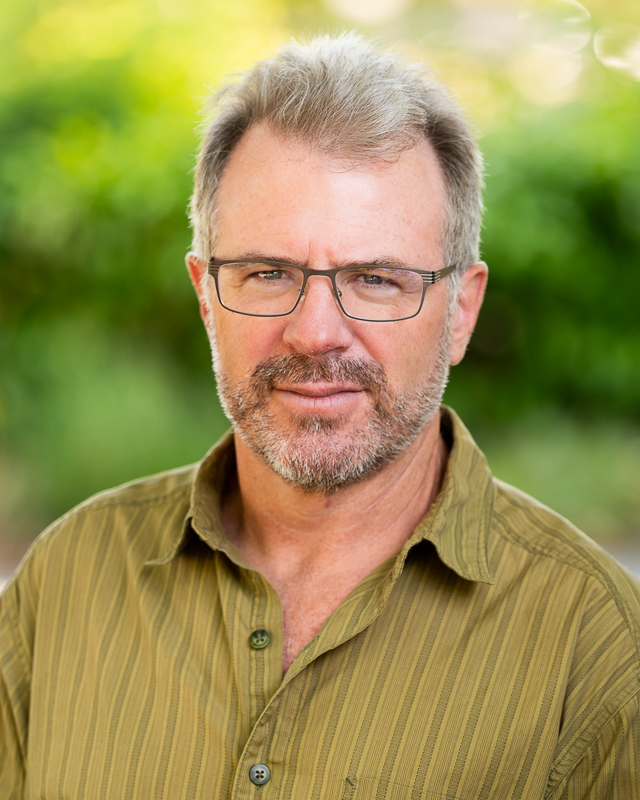
Your Instructor: Kevin Craft lives in Seattle and directs the Written Arts Program at Everett Community College. A frequent visitor to Italy, he also served as a faculty director of the University of Washington’s Writers in Rome Program. His books include Traverse (Lynx House Press, 2024), Vagrants & Accidentals (UW Press, 2017), Solar Prominence (Cloudbank Books, 2005), as well as five volumes of the anthology Mare Nostrum, an annual collection of Italian translation and Mediterranean-inspired travel writing (Writ in Water Press, 2004 – 2009). Recognitions include fellowships and awards from the Bread Loaf Writers Conference, MacDowell Colony, the Bogliasco Foundation (Italy), the Camargo Foundation (France), 4Culture, The Jack Straw Cultural Center, PLAYA, Artist Trust, and a Statewide Literary Achievement Award from Humanities Washington. He has also worked as a writer in residence at Olympic National Park. Former editor of the magazine Poetry Northwest, he now serves as publisher, and edits the book imprint Poetry NW Editions. His writing explores the intersections of memory, landscape, kinship, and travel, through the lenses of deep time (art history, archaeology, geology) and under contemporary pressures of profound ecological change.
Shhh: The Importance of What Isn’t Written
Silence, White Space, and the Unsaid in Poetry
with Chloe Yelena Miller
Sunday, April 19th 17:00-18:30pm Italy time
Much of what gives poetry its power lies not in what is written, but in what is withheld. Silence, pause, and white space play an active role in shaping meaning not only in poetry, but in prose as well.
In this online workshop, we’ll look closely at two published poems to examine how absence, implication, and restraint move readers beyond the page. We’ll explore how imagery and detail can gesture toward what cannot be stated directly, and how white space and silence create emotional and imaginative resonance. The session will include discussion and a generative writing prompt, giving participants the opportunity to write in response to these ideas.
While the focus is on poetry, writers of all genres and experience levels are welcome. Learning how silence works on the page can sharpen any writer’s sense of structure, pacing, and impact.
What You’ll Learn:
- Generative strategies for incorporating absence into your own work
- How silence and white space function as active elements in writing
- Ways imagery and detail can suggest what remains unsaid
- How restraint and omission create resonance and depth
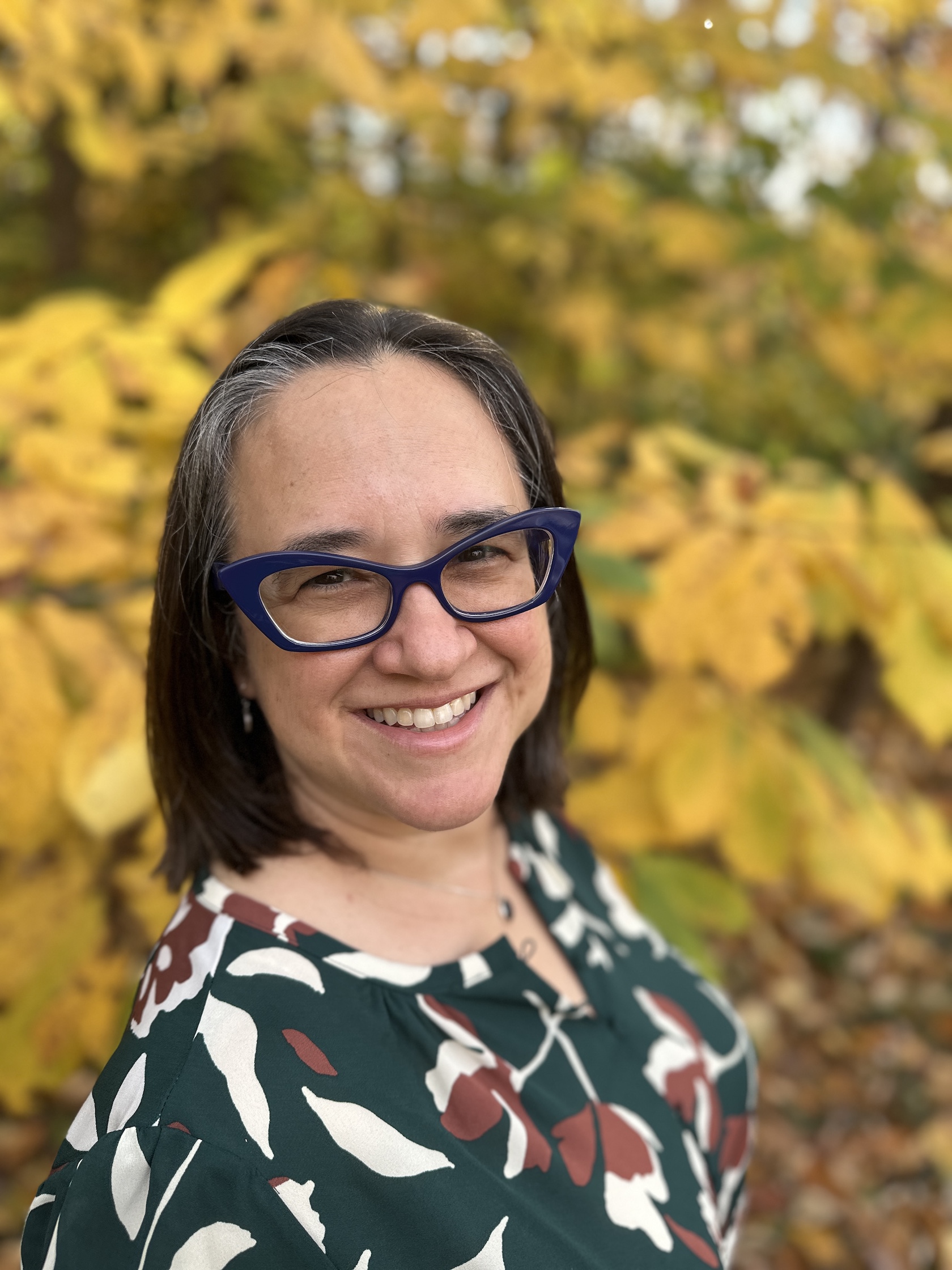
Your instructor: Chloe Yelena Miller is a writer and teacher living in Washington, D.C., with her partner and child. She’s the author of Perforated (2026) and Viable (2021), both published by Lily Poetry Review Books, and also the poetry chapbook Unrest(Finishing Line Press, 2013). She co-founded and co-directs Brown Bag Lit, an online writing community. Miller teaches writing and literature through University of Maryland’s Global Campus, Politics and Prose bookstore and New Directions in Writing. Miller has a BA in Italian language and literature from Smith College (1998) and an MFA in poetry from Sarah Lawrence College (2003). www.chloeyelenamiller.com
Point of View in Narrative Writing
with Morgan Chiarella & Giaime Maccioni
Saturday, May 9th 17:00-18:30pm Italy time
Try to imagine The Catcher in the Rye written in the third person. Or The Lord of the Rings told by Gollum. If it weren’t Nick, Gatsby’s friend, narrating Gatsby’s exploits but Gatsby himself, would it be the same? The answer, of course, is no. They would be completely different stories. Point of view is not an important element of a story. Point of view is the story.
In this one-hour workshop on Point of View in Narrative Writing, we’ll explore how the choice of narrative perspective fundamentally shapes a story: from first to second to third person and the use of different verb tenses, you’ll learn why the same events feel profoundly different when told through different eyes. We’ll discuss the strengths and limitations of conventional and unconventional narrators and look at brief examples from well-known authors to see how they use point of view to shape meaning, voice, and reader engagement, with opportunities to practice identifying and experimenting with perspectives in your own writing.
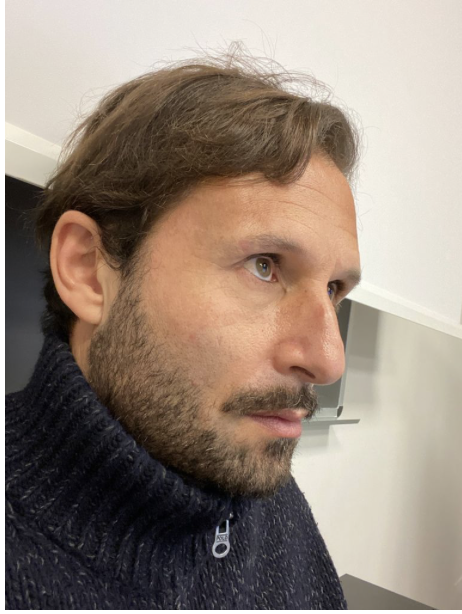
Your instructor: Morgan Chiarella is the Italian editor for the Open Doors Review. A director and screenwriter, Chiarella published his first novel with Marsilio in 2005. He is a professional translator and teaches English at Università Roma Tre. He works as a writing coach and is among the founders of Evento Scatenante, which offers coverage and coaching services for screenwriters.
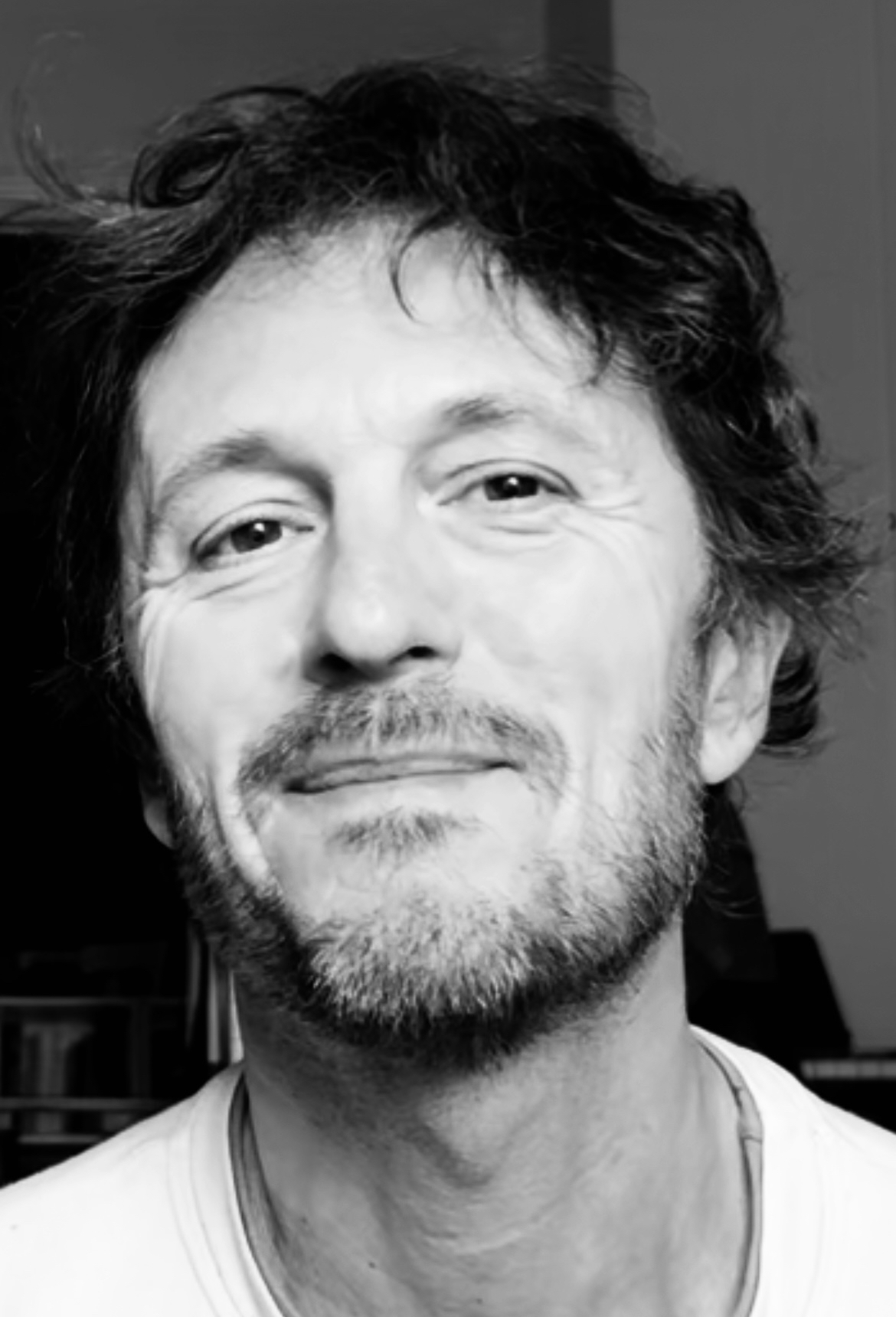
Your instructor: Giaime Maccioni Giaime Maccioni is an Italian writer and screenwriter. He teaches at the creative writing school Come si scrive una grande storia and works as a story editor and developmental editor. His short story collection “All’universo non piace” was published in 2024 by Manni Editori. His seminars and workshops focus on narrative craft, including point of view, rewriting, short fiction, the use of detail, and storytelling strategies. His story L’Attrice appeared in Open Doors N. 3.

Writing Workshops 2026: Part Two (Sep – Dec)
Part two workshops are in the works! Stay tuned for the potential to meet an agent, learn how to submit your work to literary magazines and get your work published in Italy.